
When planning to build a professional or recreational tennis facility, selecting the right court surface is one of the most important decisions. The quality, durability, and performance of a tennis court largely depend on the materials used during construction. Whether for clubs, schools, or private use, understanding Tennis court manufacturer material is essential to ensure longevity, safety, and optimal playing conditions.
Importance of Quality Materials in Tennis Court Construction
The foundation of any good tennis court lies in its materials. High-quality materials not only enhance the playing experience but also reduce maintenance costs over time. Poor material choices can lead to cracks, uneven surfaces, and water drainage issues, which ultimately affect gameplay and player safety.
Modern tennis court manufacturers use a variety of materials, including acrylic coatings, asphalt, concrete, and synthetic layers. Each material serves a specific purpose, from providing a stable base to offering a comfortable and responsive playing surface. Choosing the right combination ensures that the court performs well under different weather conditions.
Types of Tennis Court Materials
There are several types of materials commonly used in tennis court construction:
1. Asphalt and Concrete Base
These are the most common base materials used in tennis courts. Asphalt is flexible and cost-effective, while concrete offers higher durability. Both provide a solid foundation for surface coatings.
2. Acrylic Coatings
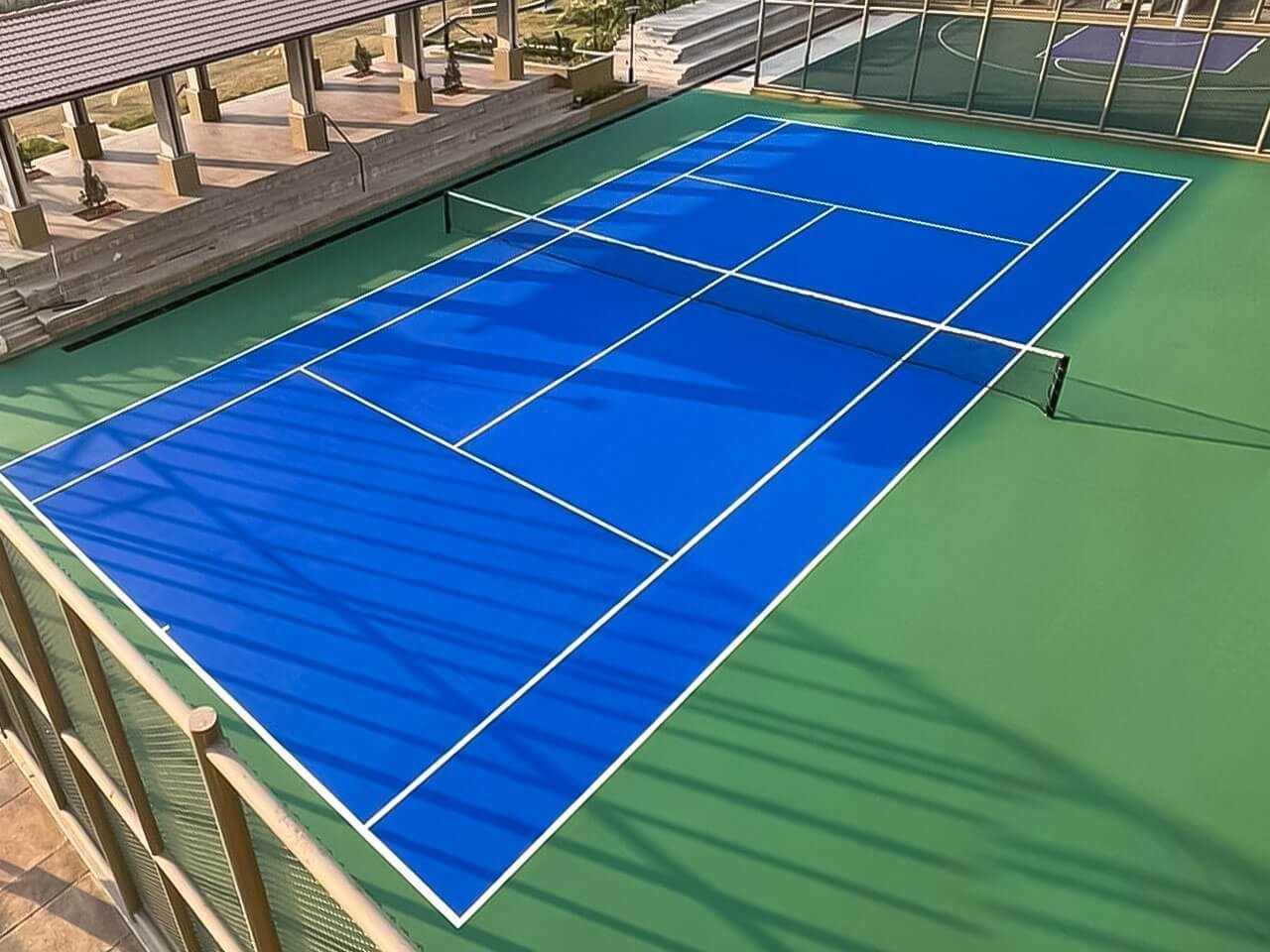
Acrylic surfaces are widely used due to their smooth finish and consistent bounce. They are also UV-resistant, making them ideal for outdoor courts. Acrylic layers can be customized with different colors and textures to suit player preferences.
3. Clay Surfaces
Clay courts are popular for their slower gameplay and reduced impact on joints. However, they require regular maintenance and are more suitable for specific climates.
4. Grass Courts
Grass provides a fast-playing surface but demands high maintenance. It is typically used in premium or professional settings.
5. Synthetic Surfaces
Modern facilities are increasingly opting for Synthetic Tennis Court Manufacturer solutions due to their durability and low maintenance. These surfaces are designed to mimic natural playing conditions while offering better resistance to wear and tear.
Benefits of Synthetic Tennis Court Materials
Synthetic tennis courts have gained popularity for several reasons:
- Durability: Resistant to cracking and weather damage
- Low Maintenance: Requires minimal upkeep compared to clay or grass
- Consistent Performance: Provides uniform ball bounce and speed
- Weather Resistance: Suitable for all climates, including heavy rain and heat
- Customizable: Available in various textures and colors
These advantages make synthetic courts a preferred choice for schools, sports complexes, and residential projects.
Factors to Consider When Choosing Materials
Before selecting materials for your tennis court, consider the following factors:
Climate Conditions
Weather plays a crucial role in material selection. For example, synthetic and acrylic surfaces perform better in areas with extreme temperatures.
Usage Frequency
High-traffic courts require more durable materials to withstand constant use without damage.
Budget
While premium materials may have higher upfront costs, they often save money in the long run through reduced maintenance.
Maintenance Requirements
Some materials, like clay and grass, require regular care, while synthetic surfaces are easier to manage.
Why Work with a Professional Manufacturer
Choosing the right manufacturer ensures that you get high-quality materials and proper installation. Experienced manufacturers understand the technical aspects of court construction, including drainage, surface leveling, and coating application. They also provide customized solutions based on your specific needs and location.
A reliable manufacturer will guide you through the entire process, from material selection to final installation, ensuring that your tennis court meets international standards.
Conclusion
Selecting the right tennis court material is a critical step in building a durable and high-performing court. From traditional options like asphalt and clay to modern synthetic surfaces, each material offers unique benefits. By understanding your requirements and working with a trusted manufacturer, you can create a tennis court that delivers excellent performance and long-term value.